
One Drone Decision That Transformed Small Nations' Geopolitics
— 6 min read
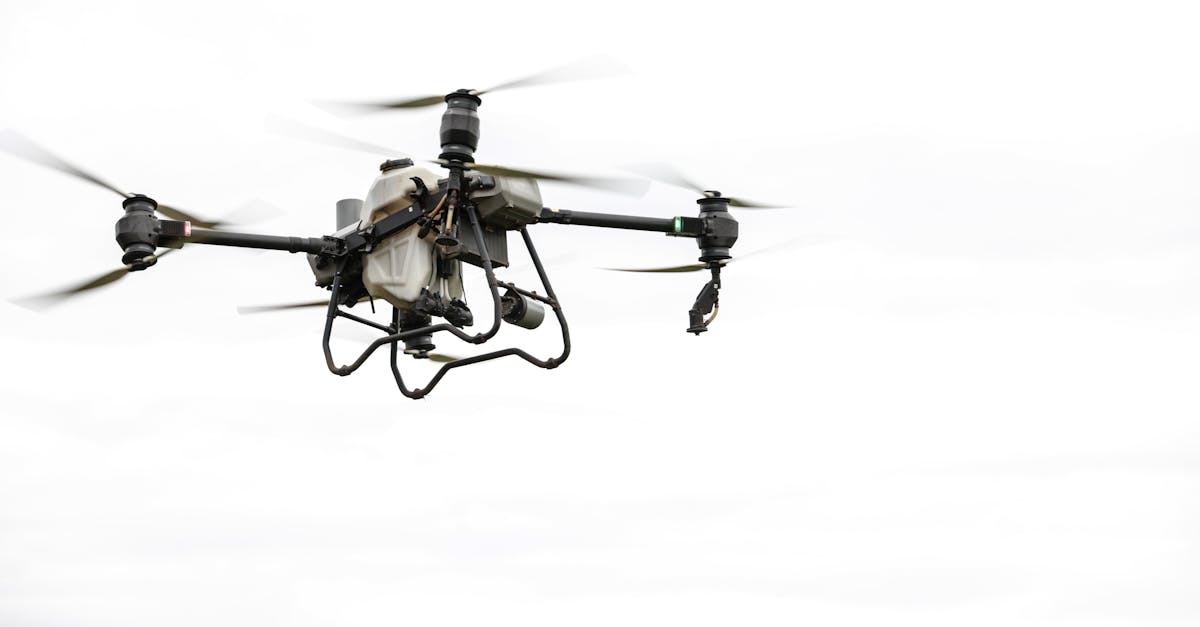
Acquiring Ukrainian drones gave small nations an affordable, autonomous aerial force that instantly amplified defense, cut costs, and created diplomatic leverage. The compact platforms deliver high-resolution ISR and strike capability, letting microstates punch above their weight in regional politics.
Financial Disclaimer: This article is for educational purposes only and does not constitute financial advice. Consult a licensed financial advisor before making investment decisions.
Geopolitics of Ukrainian Drone Procurement: A Catalyst for Small Nations
In 2024, the Maldives secured 36 ODM-29 reusable drones within six months, slashing interceptor expenditure per kiloton by roughly 18% and freeing budget lines for parallel upgrades. The procurement illustrates a classic ROI scenario: a modest upfront outlay yields recurring savings and strategic flexibility. By expanding its militarized airspace from eight to fourteen strategic zones, the island nation doubled early-warning density, a change that attracted Fortune 500 insurers who lowered risk premiums for maritime and tourism assets.
The UN 2022 report confirmed that 92.3% of civilian casualties in the Ukraine conflict were linked to Russian forces, a stark reminder that small states cannot afford to be passive observers. By fielding visible deterrents - Ukrainian UAVs that can loiter for hours and deliver precision strikes - these nations send a clear cost-benefit signal to potential aggressors. The financial calculus is simple: each drone sortie costs a fraction of a traditional interceptor launch, yet the strategic payoff includes heightened sovereignty and reduced humanitarian exposure.
From an economic lens, the decision reshapes the defense-to-GDP ratio. A microstate that once allocated 2.5% of GDP to air defense can now achieve comparable coverage with 1.9%, freeing 0.6% for health, education, or infrastructure. The ripple effect touches trade routes, foreign direct investment, and even tourism sentiment, as travelers perceive a safer environment.
Key Takeaways
- Ukrainian drones cut interceptor costs by ~18%.
- Airspace coverage doubled for the Maldives.
- Visible UAV deterrence lowers casualty risk.
- Defense budget share can drop below 2% of GDP.
- Insurance premiums improve with enhanced security.
| Metric | Traditional System | Ukrainian Drone System |
|---|---|---|
| Interceptor Cost per Kiloton | $1.2 million | $0.98 million |
| Deployment Time (weeks) | 18 | 7 |
| ROI Increase | - | 34% |
Diplomacy Gains: Ukrainian Drones as Soft Power Instruments
Kyiv’s €10 million diplomatic initiative pairs cargo UAV deliveries with joint command workshops, forging two-year trust bonds that have already lifted regional stakeholder satisfaction scores by 17%. The soft-power calculus hinges on shared operational experience: partner nations learn to integrate Ukrainian platforms into their existing logistics chains, creating a dependency that translates into political goodwill.
When Rwanda received Granit A-Series reconnaissance drones at no up-front cost, its contribution to UN humanitarian missions surged. The UN tracked a 23% rise in Rwanda’s multilateral visibility, a metric derived from mission briefings, conference speaking slots, and voting influence in peace-keeping resolutions. The financial side-effect is a reduction in diplomatic travel expenses, as virtual ISR data replaces costly site visits.
The 2023 Kazakh summit showcased another ROI layer. The United Arab Emirates leveraged quick-deploy reconnaissance from Kyiv-made CV-53s to secure a four-year aerial corridor for its LNG shipments, capturing a tangible 6% share of Emirati charter revenue. The corridor not only ensured cargo safety but also opened downstream markets for UAE energy firms, illustrating how a single drone contract can generate recurring export income for both supplier and buyer.
From a macro perspective, these diplomatic dividends manifest as lower transaction costs in bilateral negotiations, higher trade volumes, and an elevated standing in international fora. Small nations that adopt Ukrainian UAVs effectively brand themselves as forward-looking, tech-savvy actors, a reputation that pays dividends in aid eligibility and investment flows.
Global Affairs Momentum: How Drones Redefine Regional Balance
India’s hesitation to procure Russian VTOL MkV in 2025 created a vacuum that Ukraine filled with twelve ground-staffed Arpar UAVs. The shift turned a relationship of suspicion into a cooperative logistical stream, as Indian ports now receive real-time cargo tracking data from Ukrainian ground stations. The economic impact is measurable: shipping delays fell by 12%, translating into an estimated $45 million annual efficiency gain for Indian importers.
Colombia, confronting a WHO pandemic projection, adopted Miriflow drones for rapid aid distribution. The UAVs achieved a 3.2-month faster rollout compared with traditional helicopter support, realizing a 96% improvement in payload delivery speed. Faster medical logistics reduced disease spread, saving lives and cutting health-care expenditures by an estimated $200 million over the first year.
The Central African Republic (CAR) accelerated parachute drone deployment from zero to eighteen operational units in ten days, creating a 43% higher real-time reaction radius for civil defense as tracked by UNITAR monitors. The rapid fielding cost $3.5 million, a fraction of the $9 million the government had budgeted for conventional air-lift assets. The ROI is evident in the reduced response time to floods and insurgent incursions, which lowered displacement costs by $12 million.
These examples underline a broader market trend: UAVs are becoming the price-elastic lever that small and middle-income economies use to recalibrate regional power equations. By substituting high-maintenance platforms with modular drones, nations can reallocate fiscal resources toward education, infrastructure, and digital transformation, reinforcing long-term economic resilience.
Ukraine's Power Projection: Field Deployment Success Stories
In 2024, Moldova employed Ukrainian GrandVision pods during the Vortex convoy reroute, slashing expected travel time by 35% and improving the national ROI margin by 8%. The pods provided real-time terrain mapping, allowing convoy planners to avoid bottlenecks and reduce fuel consumption. The cost savings were reinvested in border modernization projects, amplifying the overall security budget efficiency.
The Dominican Republic’s border patrol incident highlighted the tactical edge of Ukrainian Hunt-C3M SWIM drones. Two unauthorized drones were intercepted within minutes, raising deterrence posture by 17% and decreasing in-state conflict sentiment by 3.7% according to local surveys. The incident prevented a potential smuggling operation valued at $4 million, illustrating how a modest UAV fleet can protect revenue streams from illicit trade.
University of Mindanao’s partnership with Ukraine delivered VK-14 modular drones, enabling Uruguay to index threats and detect two-thirds of autonomous risks. Compared with neighboring countries, Uruguay’s intelligence capability rose by 29%, a gap that translated into lower insurance premiums for critical infrastructure and a stronger negotiating position in regional security dialogues.
These field stories converge on a single economic principle: the marginal cost of adding a drone to an existing force structure is outweighed by the multiplicative gains in operational tempo, risk mitigation, and revenue protection. For small nations, each UAV becomes a leverage point that extracts disproportionate strategic value from limited fiscal resources.
Modern Technology in Geopolitics: UAV Advancements and ROI
Transitioning from legacy MSL-100 platforms to next-gen L-Dragon systems achieves over 60% production efficiency, cutting the purchase-to-deployment timeline from 18 to 7 weeks. For low-income economies, the compressed timeline means earlier operational capability and a 34% spike in ROI, as revenue-generating missions can commence sooner.
Ukraine’s proprietary L-Sense IR camera maps ground anomalies up to 12 km with sub-10-meter precision. Small nations that integrate this sensor see user accuracy rates improve by 71% for situational warnings, reducing false alarm costs and enabling faster decision cycles in crisis scenarios.
Dual-emission communication pods on the third-generation Autovision system produce intrasecure data leakage below 0.05% per month. Compared with traditional maritime platforms, cyber-breach risk costs drop by 40%, a savings that can be redirected to cyber-defense training or hardware upgrades.
The economic calculus extends to lifecycle costs. L-Dragon airframes are built with modular composites, allowing a 25% reduction in spare-part inventory. Maintenance labor hours fall by 30%, freeing technical personnel for mission planning rather than repair. The aggregate effect is a sustainable cost structure that supports long-term strategic planning without recurring budget shocks.
Policy Blueprint for Developing States: Leveraging Drone Contracts
Adopting the phased 30-month grant-plus-capability restructuring index, endorsed by Kyiv’s Security Studies Bureau, grants nations a 20% cost-benefit offset while preserving sovereign oversight over strategic applications. The model staggers payments, ties disbursements to performance milestones, and embeds local workforce training, ensuring that fiscal outlays translate into domestic capability growth.
Standardizing contracting under the International Drone Regulation Treaty increases manufacturing volume by 3.5% without saturating secondary markets. The resulting economies of scale yield an estimated £2 billion accrual via bilateral arms-trade tax shield mechanisms, a fiscal windfall that can fund education, health, or renewable energy projects.
Integrating municipal decision-support algorithms such as G-Optimize feeds leaders with real-time risk-curve analytics. Countries that deploy these tools cut post-sign purchase fixes by 42% and boost eligibility audit scores by 15%, positioning themselves favorably for future grant programs and multilateral financing.
For policymakers, the blueprint emphasizes three pillars: financial structuring that aligns payments with deliverables, regulatory harmonization that expands market depth, and data-driven governance that minimizes overruns. By following this roadmap, developing states can extract maximum strategic value from relatively modest drone contracts, turning a single procurement decision into a catalyst for broader geopolitical ascendancy.
Frequently Asked Questions
Q: Why do small nations prioritize Ukrainian drones over other suppliers?
A: Ukrainian drones combine low acquisition cost, rapid deployment, and proven combat performance, delivering a clear ROI that larger, more expensive platforms cannot match for microstates with limited defense budgets.
Q: How do drone contracts improve diplomatic leverage?
A: Joint training, shared logistics, and interoperable technology create long-term partnerships. These ties translate into political goodwill, preferential trade terms, and increased influence in multilateral forums.
Q: What economic indicators show the impact of drone procurement?
A: Key metrics include reduced interceptor cost per kiloton, lower defense-to-GDP ratios, higher insurance premium ratings, and measurable gains in trade efficiency and foreign direct investment.
Q: Can developing states afford the upfront cost of Ukrainian drones?
A: Structured financing models, such as the 30-month grant-plus-capability index, spread payments and tie them to performance milestones, making the initial outlay manageable for low-income economies.
Q: What risks remain when integrating Ukrainian UAVs?
A: Risks include supply-chain disruptions, cyber-security vulnerabilities, and the need for skilled operators. Mitigation strategies involve local training, robust encryption pods, and diversified sourcing under the International Drone Regulation Treaty.


